

AI engineering insights
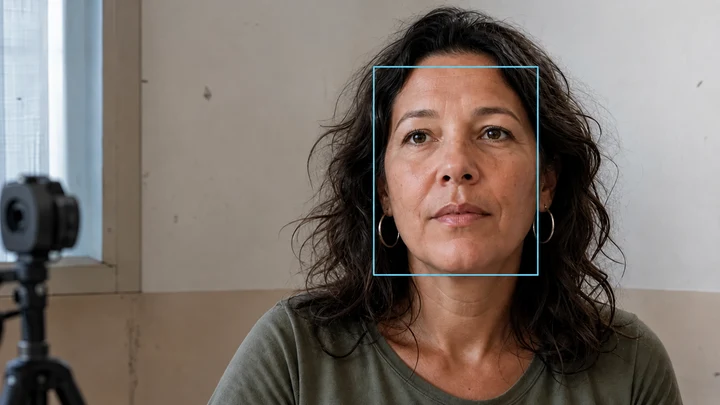
Face Detection with OpenCV
In this first blog of a new three part series in OpenCV, we will be covering face detection using OpenCV.
Pattern Recognition & Feature Extraction with OpenCV
In this sixth and final blog, we will cover some more common and powerful pattern recognition and feature extraction techniques.
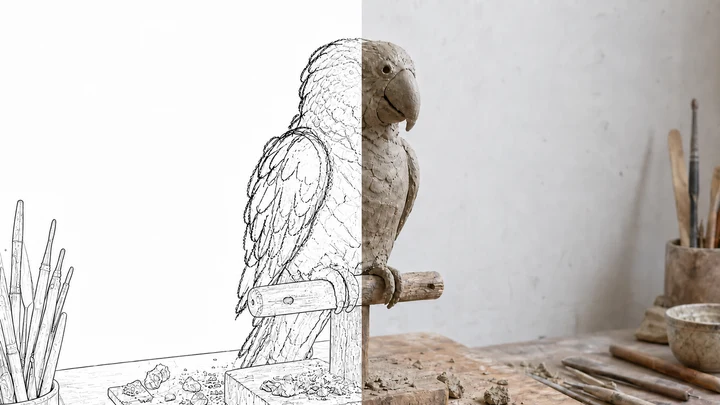
From Edges to Objects: Detecting Shapes and Structures with OpenCV
This blog, though not the most complex, shows a variety of some of the most useful image manipulation techniques that are commonly used today, especially as it relates to edge detection and image pre-processing.
Mastering Thresholding and Image Segmentation
In this blog, we go over the most advanced techniques yet covered in this series. From simple thresholding to the watershed algorithm, we will cover all sorts of image segmenting techniques that have numerous applications in a variety of different fields.
Advanced Filtering & Blurring Techniques
In our third blog covering manipulation techniques in OpenCV we will be covering a few more advanced techniques, this time mainly relating to different types of blurring and filtering. All of these will prove to be exceptionally useful when it comes to machine learning training on their own merits, but like the last blog, they will also be pre-processing steps for other techniques down the line.
Fundamentals of Image Manipulation with OpenCV
OpenCV is the most common library for utilizing computer vision. In this first, we will be covering the foundational image manipulation techniques found within OpenCV that will both enable basic image manipulation, as well as serve as components of more advanced techniques that will be covered in later blogs within this series.
Pixel-Level Control: Brightness, Blending, and Bitwise Operations
In this second blog in the series, we will be covering some more advanced techniques for image manipulation that will build upon our existing repertoire of techniques learned in the previous blog. Some of the techniques we are going to cover will involve image brightness, contrast, and other useful manipulations that will prove to be very useful as their own techniques, but also as pre-processing steps for future techniques covered in the series.