Software Sushi Journal

AI engineering insights

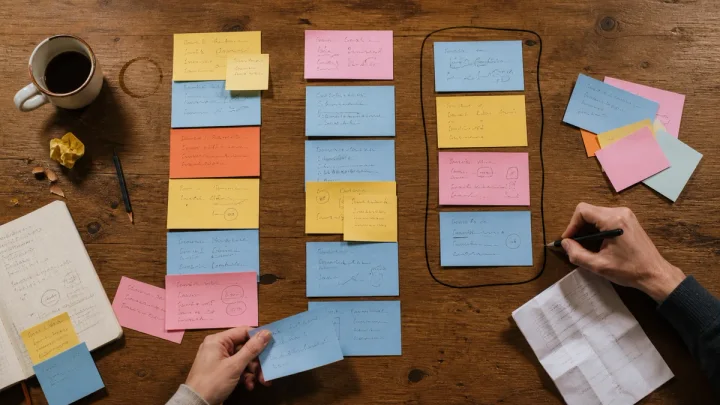
Hands narrowing a colorful project board to a deliberately small first-release scope
AI

How to Plan Your First AI/Tech Project (Without Wasting Time or Money)

A practical guide to planning AI projects that succeed — covering common pitfalls, MVP strategy, and the strategic groundwork most teams skip.

Forecast drawn toward a target while a real paper glider misses beside excess inventory
AI

AI Forecasting Mistakes: The $10K AI Project That Almost Cost $40K

This post breaks down a common but costly mistake in AI forecasting: data leakage from random splitting — and shows how the right validation approach turned unreliable predictions into trusted business decisions.

Handmade browser frame receiving a puzzle-shaped extension module
AI

Designing a Browser Extension using AI and Machine Learning; A Guide

A blog covering the basics of developing a chrome extension, as well as how to integrate one with the OpenAI API.

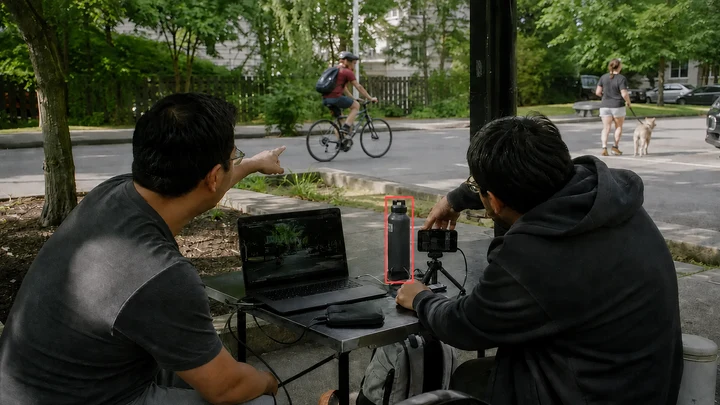
A field camera test tracking one cyclist with a precise detection box

Object Detection using YOLO

Building on the OpenCV series, we turn to YOLO to detect any custom object class you want — walking through training the model and running detection end to end.

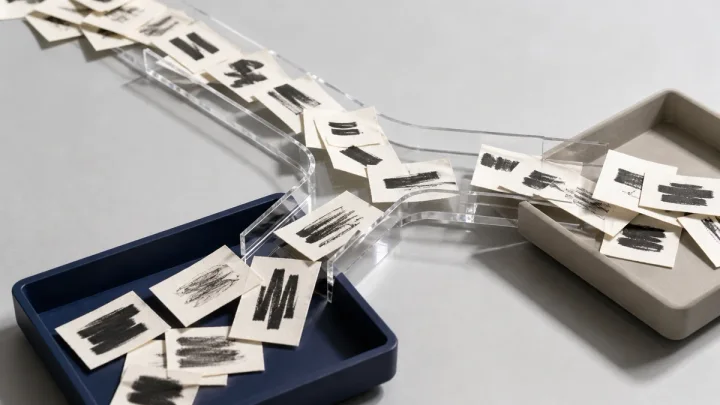
Abstract paper cards moving through a branching physical classifier
AI

Building a Powerful Content Moderation Classifier with Scikit-Learn and LightGBM

Content moderation is a critical task for any online platform. The goal is to automatically identify and flag content that violates community guidelines, covering categories like hate speech, harassment, or self-harm.

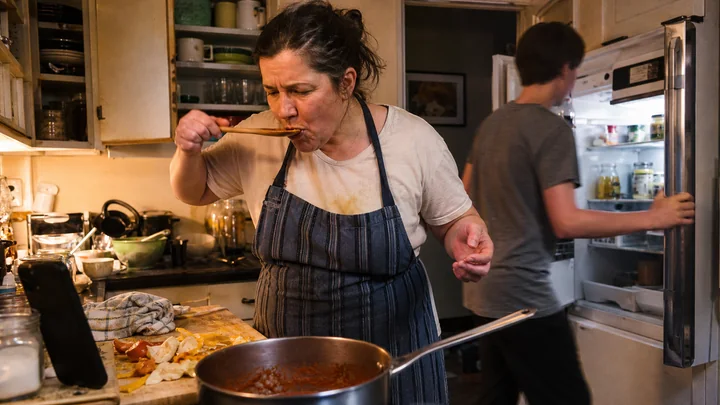
A cook tastes a family meal while another person checks ingredients in the refrigerator
AI

Building a Recipe Assistant with AI

Imagine having a virtual assistant that understands user preferences, context, and queries with precision—providing relevant and tailored responses in seconds. This is the promise of an AI-powered chatbot, a tool designed to make interactions more intuitive, efficient, and personalized using OpenAI API and Retrieval-Augmented Generation (RAG) frameworks such as LangChain.

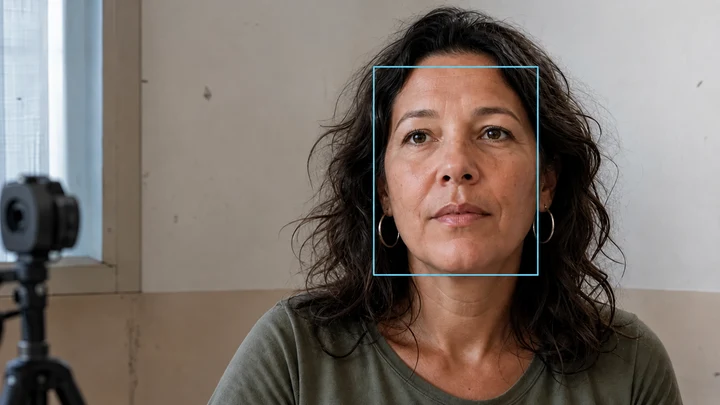
Natural frontal portrait with a precise face-detection calibration overlay
Computer Vision

Face Detection with OpenCV

In this first blog of a new three part series in OpenCV, we will be covering face detection using OpenCV.

Lifted feature samples revealing repeated patterns on a butterfly wing
Computer Vision

Pattern Recognition & Feature Extraction with OpenCV

In this sixth and final blog, we will cover some more common and powerful pattern recognition and feature extraction techniques.

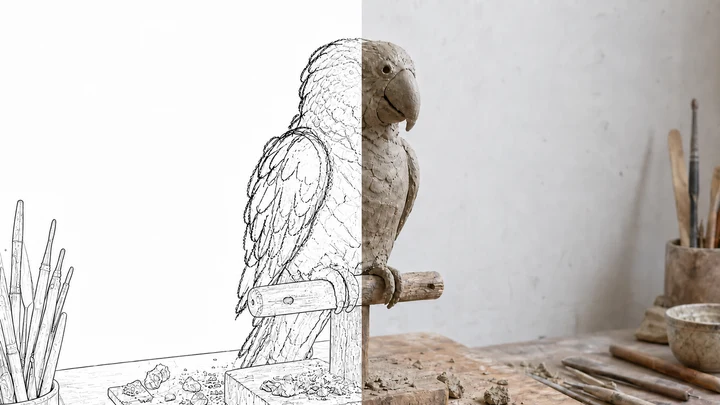
Handmade clay parrot aligned with charcoal contours on a clear studio sheet
Computer Vision

From Edges to Objects: Detecting Shapes and Structures with OpenCV

This blog, though not the most complex, shows a variety of some of the most useful image manipulation techniques that are commonly used today, especially as it relates to edge detection and image pre-processing.

Layered paper fish changing from detailed scales to segmented regions and a binary silhouette
Computer Vision

Mastering Thresholding and Image Segmentation

In this blog, we go over the most advanced techniques yet covered in this series. From simple thresholding to the watershed algorithm, we will cover all sorts of image segmenting techniques that have numerous applications in a variety of different fields.

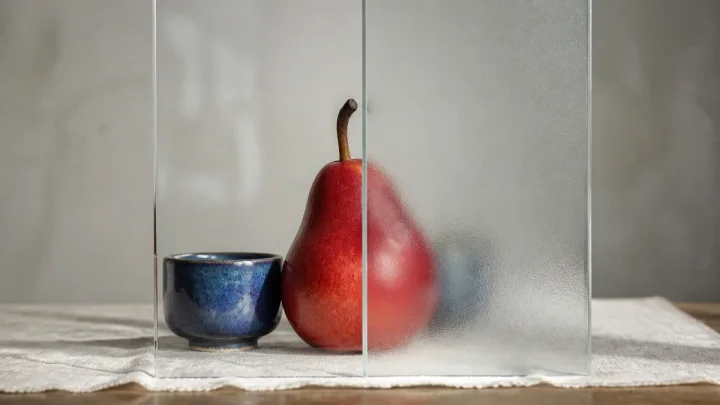
A red pear and blue cup seen through clear and frosted optical glass
Computer Vision

Advanced Filtering & Blurring Techniques

In our third blog covering manipulation techniques in OpenCV we will be covering a few more advanced techniques, this time mainly relating to different types of blurring and filtering. All of these will prove to be exceptionally useful when it comes to machine learning training on their own merits, but like the last blog, they will also be pre-processing steps for other techniques down the line.

Hand shaping exposure over a parrot print in a working darkroom
Computer Vision

Fundamentals of Image Manipulation with OpenCV

OpenCV is the most common library for utilizing computer vision. In this first, we will be covering the foundational image manipulation techniques found within OpenCV that will both enable basic image manipulation, as well as serve as components of more advanced techniques that will be covered in later blogs within this series.

Tweezers lifting one glowing pixel from overlapping color shapes on a lightbox
Computer Vision

Pixel-Level Control: Brightness, Blending, and Bitwise Operations

In this second blog in the series, we will be covering some more advanced techniques for image manipulation that will build upon our existing repertoire of techniques learned in the previous blog. Some of the techniques we are going to cover will involve image brightness, contrast, and other useful manipulations that will prove to be very useful as their own techniques, but also as pre-processing steps for future techniques covered in the series.